
 By
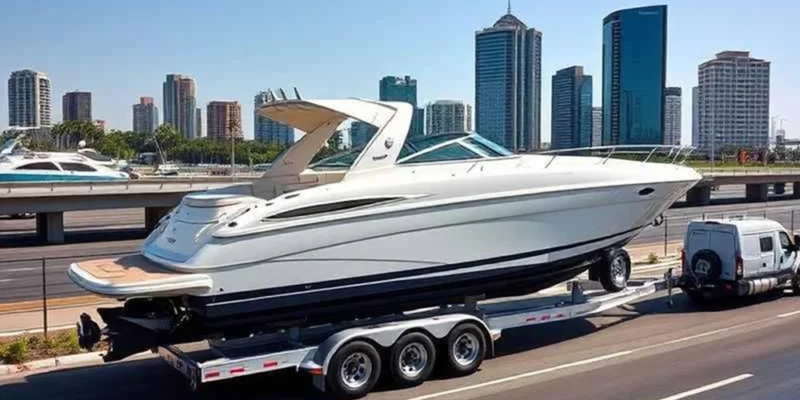
Moving a boat from one location to another involves much more than arranging a trailer and choosing a pickup date. Whether relocating a vessel between Florida marinas, bringing home a recent purchase, or preparing for seasonal storage, careful planning can make a significant difference in how smoothly the process unfolds.
Many boat owners focus on transportation costs and delivery timelines while overlooking practical details that can create unexpected complications. Boat dimensions, marina access, equipment preparation, and communication all deserve attention before the vessel leaves its current location.
Understanding these factors helps owners make informed decisions, avoid preventable delays, and approach the moving process with greater confidence.
Understand Your Boat’s Actual Transport Requirements
One of the most common planning mistakes is assuming that a boat’s advertised length provides enough information for transportation arrangements.
A vessel’s overall dimensions may differ from the specifications listed in sales materials. Swim platforms, bow pulpits, radar arches, antennas, and other attachments can affect its transport profile.
Before requesting transportation arrangements, owners should confirm the boat’s overall length, width, height, and approximate weight.
Width and height are particularly important because certain dimensions may trigger additional routing considerations, permits, or specialized equipment requirements.
Weight calculations should also account for permanently installed equipment and other items that may affect the vessel’s transportation configuration.
Another consideration is whether certain components can be safely removed or lowered before loading. Antennas, canvas structures, and removable accessories may require attention depending on the vessel’s design.
Providing accurate measurements from the beginning gives transportation coordinators and carriers a better understanding of the equipment and planning needed for the move.
Planning Transportation Around Port St. Lucie
Port St. Lucie’s location within Florida’s Treasure Coast makes it a relevant destination for boat owners arranging regional moves, marina transfers, or deliveries following a vessel purchase.
However, transportation planning involves more than selecting the city where a boat will be collected or delivered.
The exact pickup and delivery locations can influence how easily a transport vehicle accesses the vessel. Marina entrances, parking areas, turning space, overhead obstacles, and loading facilities should all be considered.
Boat owners researching Port ST Lucie boat transport arrangements should account for marina access, vessel dimensions, carrier scheduling, and unloading requirements before confirming a moving date.
Communication with both the departure and receiving facilities is equally important.
Some marinas require advance notice before outside transportation equipment enters their property. Others may have specific procedures for lifting, loading, or receiving boats.
Owners should confirm who will arrange lifting equipment, whether the receiving facility can accommodate the delivery vehicle, and when marina personnel will be available.
A clear plan for these details helps prevent situations in which a carrier arrives but cannot safely load or unload the vessel.
Prepare the Vessel Before Pickup
Preparing a boat for transportation is not the same as preparing it for a normal day on the water.
During overland movement, the vessel may experience road vibration, changes in direction, and exposure to weather. Items that remain secure during ordinary boating activities may require additional attention.
Start by removing or securing loose belongings, including removable electronics, cushions, fishing equipment, personal items, and portable accessories.
Cabin doors, storage compartments, and hatches should be checked to ensure they cannot open unexpectedly.
Owners should also review the condition of canvas covers, windshields, antennas, and other exposed components. Depending on the boat and transport arrangement, certain items may need professional removal or special securing procedures.
Fluid levels, batteries, and onboard systems should be discussed with the transport provider because preparation requirements may vary by vessel and carrier.
Before pickup, photograph the boat from several angles. Include the hull, deck, exterior equipment, and any existing scratches or damage.
These photographs create a useful record of the vessel’s condition and can support an accurate comparison after delivery.
A final walkthrough with a written checklist makes it easier to confirm that important preparation tasks have not been overlooked.
Verify Carrier Arrangements and Communication
Another frequently overlooked detail is understanding who is responsible for each stage of transportation.
Boat owners may communicate with a transport coordinator, a carrier, marina personnel, and possibly a broker or seller. Without clearly assigned responsibilities, important information can be missed.
Before confirming a move, clarify who will handle scheduling, pickup instructions, loading coordination, route-related requirements, and delivery communication.
It is also sensible to request relevant carrier identification and insurance documentation, then review the coverage information carefully.
Insurance arrangements can vary, so owners should understand applicable limits, exclusions, and the process for reporting a problem.
Communication expectations deserve similar attention.
Ask who will provide updates, how schedule changes will be communicated, and whom to contact if an unexpected issue occurs.
For boats purchased from another owner or dealership, confirm that the vessel will be ready for release and that any required handover arrangements are complete.
Clear responsibilities reduce confusion and help everyone involved work from the same transportation plan.
Allow Room for Scheduling and Delivery Adjustments
Boat transportation schedules can be affected by factors outside an owner’s control.
Weather conditions, equipment availability, loading appointments, route restrictions, and marina operating schedules may influence the final transportation timeline.
For that reason, arranging delivery immediately before a major boating event, marina deadline, or planned departure can create unnecessary pressure.
When possible, allow a reasonable scheduling buffer and avoid making commitments that depend on an exact arrival time.
It is also helpful to confirm the receiving location’s availability before the carrier begins the journey.
Upon delivery, inspect the vessel against the photographs taken before pickup. Note any concerns promptly and follow the applicable delivery documentation and reporting procedures.
Planning for the final handover is just as important as preparing for departure.
Conclusion
A successful boat move begins well before the vessel is loaded onto a trailer.
Accurate measurements, clear marina arrangements, thoughtful vessel preparation, appropriate carrier verification, and realistic scheduling all contribute to a more organized experience.
For boat owners relocating within Florida or arranging a longer-distance delivery, addressing these details early can prevent avoidable complications.
The goal is not simply to move a boat between two locations, but to ensure that everyone involved understands the requirements and responsibilities from pickup through final delivery.





Comments