
 By
By 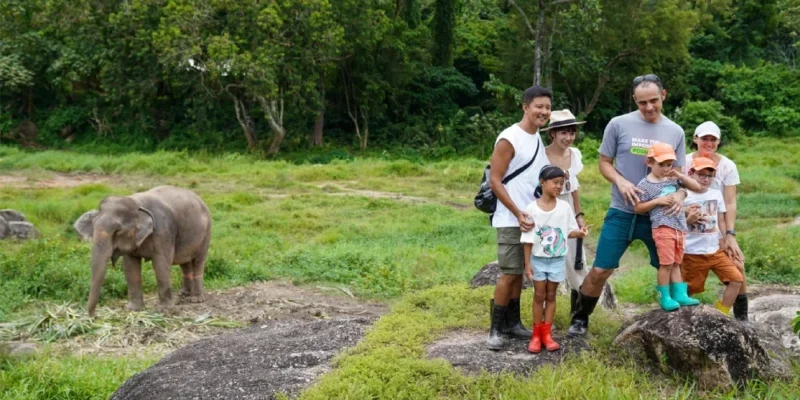
A sanctuary visit can create a gentle setting for noticing wildlife habits without interrupting ordinary routines. An elephant tour encourages visitors to slow down and watch movement with care. Short visits can still reveal social signals, resting patterns, walking habits, and reactions to surroundings. Guided observation keeps attention on genuine conduct rather than staged activities. An elephant tour koh samui can offer a meaningful way to observe elephants in a respectful setting.
Respectful Observation Practices
A sanctuary should provide enough room for animals to move according to their own needs. Visitors can remain quiet while allowing each creature to decide its distance from people. Guides can explain suitable viewing manners before the group enters observation areas. This approach keeps attention on natural conduct without creating pressure for interaction.
Natural Movement During Visits
Ordinary movement can reveal much about daily routines within a sanctuary. Walking may happen alongside resting periods or quiet social contact. Visitors can notice changes in direction, pace, posture, and spacing. These details become clearer when people avoid rushing from one viewing point to another.
Guided Wildlife Awareness
Good guidance gives visitors a clear understanding of suitable conduct. Staff can explain why distance matters before observation begins. They may also describe signals that suggest a need for additional space. Clear instructions make it easier for guests to respond appropriately during changing situations.
Observing Social Behaviours
Social behaviour can be noticed through spacing, movement, sounds, and body posture. Individuals may remain close during certain activities before moving apart naturally. Visitors should avoid calling toward animals or attempting to attract attention. Quiet surroundings make subtle interactions easier to notice on an elephant tour koh samui.
- Maintain distance whenever animals change direction unexpectedly nearby.
- Keep voices low during resting or social periods.
- Follow guide instructions before entering designated viewing areas.
- Avoid gestures intended to attract attention from wildlife.
- Allow ordinary routines to continue without visitor interference.
Responsible Sanctuary Visits
Responsible visits depend on patience rather than active involvement. Guests can support good care simply by respecting boundaries throughout their stay. Sanctuary teams can provide guidance while visitors observe from suitable areas. This creates an environment where natural routines remain undisturbed.
Respectful sanctuary visits can offer valuable learning within a limited timeframe. Visitors can notice genuine habits by remaining patient while following clear guidance. Quiet surroundings allow ordinary routines to continue without unnecessary interruption. Responsible conduct turns brief observation into useful awareness.
FAQ
Can visitors observe natural behaviour during half-day sanctuary visits?
Yes, quiet viewing allows ordinary routines to continue naturally.
Do guides explain proper behaviour before observation begins?
Yes, guides provide simple instructions about distance and visitor conduct.
Can short visits encourage greater respect for wildlife?
Yes, careful observation can develop stronger awareness of animal needs.






Comments