
 By
By 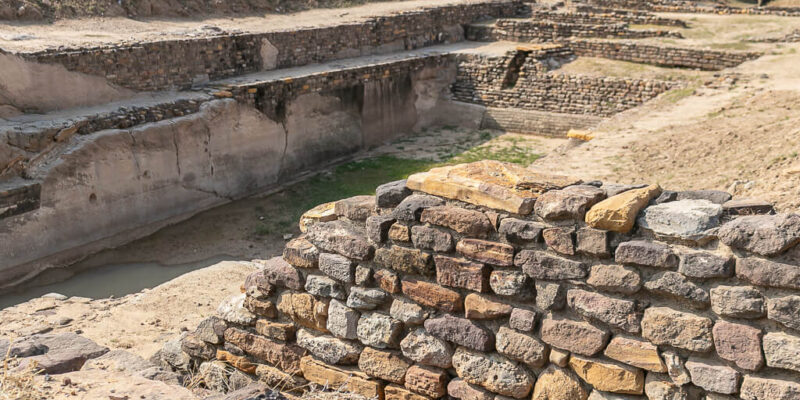
Few cities built by our ancestors can tell as many stories as Dholavira. Located on Khadir Island in the Rann of Kutch region of Gujarat, Dholavira is a UNESCO World Heritage site and one of the largest remaining urban sites of the Indus Valley Civilisation.
It was recognised by UNESCO in 2021, with this site finally getting the international recognition it deserved. For many people around the world, Mohenjo-Daro and Harappa will always receive the majority of attention. However, there are not many cities that are as impressive as what remains of Dholavira today.
What to Expect at the Site?
Visiting Dholavira feels like entering a book of history that nobody wrote. Dholavira consists of three parts: the Citadel, the Middle Town, and the Lower Town. Each component illustrates a different element of how one of the most advanced civilisations in the ancient world functioned on a daily basis.
The elaborate water management that existed at Dholavira is astonishing due to its use of elaborate reservoirs and drainage systems manufactured without modern-day equipment. Engineers and historians still study them as examples of engineering precision and scale.
Getting to Dholavira
A good deal of advance planning is needed when visiting Dholavira, however, it is worth all of the effort put into reaching it. The closest large city is Bhuj, which is about 250 kilometres away from the site. Most visitors fly into Bhuj, then hire a car to make their way through the amazing landscape to Dholavira. The drive takes you across the Rann of Kutch (white salt marsh), which is breathtaking in its own right.
It is highly recommended to secure a hotel booking online in India well in advance of your arrival in Bhuj. The best places to stay in Bhuj fill up very quickly, especially between October and February when most people are visiting.
Best Time to Visit
How well you time your visit to Dholavira will have an impact on your enjoyment of it. November through February are the ideal months for exploring the open-air ruins, as they provide very suitable temperatures. In Kutch, the summer months can be extremely uncomfortable due to the heat and generally, the temperature in summer regularly exceeds 45 degrees Celsius.
The Monsoon season from July until September also limits access by road, and access is often unpredictable. Early morning visits to Dholavira during the winter would be very special as the soft golden light on the ancient stone walls would be breathtaking.
Practical Tips for Your Visit
Preparation is crucial when visiting Dholavira, an important historical site located in an isolated region of India, which is part of UNESCO’s list of world heritage sites. Bring plenty of water with you. Since the site is located in a remote area with very limited facilities available, it is difficult to step out and arrange for water once you have entered the complex. Make sure you wear comfortable shoes, as a few areas within the site are uneven, and accessing parts of the site is difficult without proper footwear.
The best way to enjoy the experience and learn about the ruins of Dholavira is with a local tour guide. The small museum is very well organised, so you could easily spend an hour there. Entry fees remain refreshingly modest, making Dholavira an excellent choice for a budget-friendly heritage experience.
To Sum Up
Dholavira is part of the greater Rann of Kutch and it is a UNESCO world heritage site that illustrates the excellent urban planning skills of the Indus Valley Civilisation. Visitors to Dholavira can see its citadel, reservoirs, and historical structures while experiencing a remote archaeological landscape that is best visited during the winter when it is cooler outside.



Comments