
 By
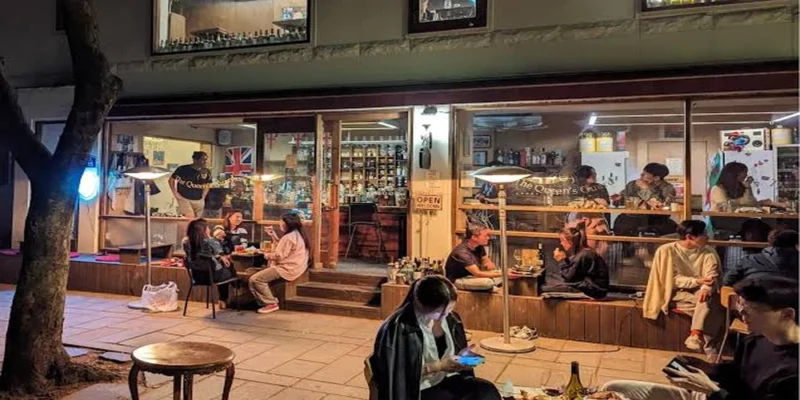
Organising an evening for a group can be more complicated than planning a day of sightseeing. Everyone may agree on the destination while imagining a different experience. One person wants lively music, another hopes for a comfortable conversation, and someone else needs to leave early. The planning becomes easier when those expectations are discussed before a venue is chosen.
For adults considering private nightlife lounges in Gangnam, Seoul, South Korea, a short planning brief is a useful place to begin. It brings the practical details together: who is coming, what kind of room would suit the group, how long the visit might last, and what everyone expects to spend. With those points settled, comparing local information becomes a much more focused task.
Describe the Evening Before Choosing the Room
Start with the purpose of the gathering. Is this time for a few friends to catch up, an evening added to a short holiday, or an optional social occasion after a busy day? That answer helps determine how much energy, conversation, and structure people want. It also makes it easier to explain the plan to anyone joining later.
Private nightlife lounges are adult social venues, and the people attending should understand that setting. Discuss the choice openly rather than surprising companions with an unfamiliar arrangement at the door. Preferences about music, drinks, privacy, and the length of the evening are practical considerations that deserve the same attention as the location.
Keep the initial brief simple. Record the date, approximate arrival time, number of adults, preferred atmosphere, expected duration, and a comfortable spending range. A useful brief fits into a short message. It should give someone enough information to answer relevant questions without requiring them to guess what the group has in mind.
Use a Local Directory to Build a Manageable Shortlist
When researching this part of Gangnam’s nightlife, 일프로 provides a Korean-language guide to ten private lounges. The site gathers photographs, addresses, and available public descriptions, with individual entries for the venues. It also lets visitors save candidates and organise questions around the same proposed conditions.
This is helpful for a group organiser because the information is collected in one place. You can compare a few options together instead of passing around disconnected images. The directory lists its venues alphabetically in Korean and states that the order is not a recommendation ranking. Treat the entries as research material, then decide which details matter for your particular group.
Choose a small number of candidates. Two or three may be enough to reveal meaningful differences in location, room information, and atmosphere. Adding more options is useful only if it helps resolve a specific question. Otherwise, it can turn a straightforward decision into an endless exchange of screenshots.
Separate Room Availability From Room Capacity
A venue’s room count can be an easy detail to misread. It describes how many rooms the establishment lists, not how many guests can sit in a particular room. A larger number of rooms therefore does not automatically mean that the venue is better suited to your gathering.
Ask about a room for your exact number of people. If the group size may change, explain the likely range and ask how that would affect the arrangement. Consider whether the seating would allow everyone to participate comfortably, especially if conversation is the main purpose of the evening.
Photographs help identify preferences, but the available room needs its own confirmation. Save the image or room description you mean and refer to it clearly when asking questions. Where sound equipment, a separate entrance, or another feature matters, check whether it belongs to the room being offered. A description of one space should not be assumed to apply to every space in the building.
Connect the Venue With the Rest of the Day
Gangnam is a district in a large city, so a location should be considered alongside the rest of your itinerary. The guide includes venues around roads such as Gangnam-daero, Dosan-daero, Bongeunsa-ro, Eonju-ro, and Teheran-ro 29-gil. Use the specific address to assess the journey from dinner or your accommodation.
Allow time between activities. An evening feels less pressured when a delayed meal or a slightly longer journey does not disrupt every later arrangement. Tell the group where to meet, whether everyone is travelling together, and what to do if somebody is running late.
Entrance details are worth checking separately. The main road address may identify the building while the actual entrance sits along a side street. Save the venue name in Korean, the address, and any instructions provided. Those details can make the final part of the journey easier, particularly when several people are trying to find the same place independently.
Compare Quotes Using the Same Assumptions
The clearest comparison begins with identical information. Give each candidate the same date, group size, arrival time, and expected duration. Explain any preferences that affect the arrangement. This reduces the chance of comparing different packages or different lengths of stay as though they were equivalent.
Request a total estimate with the individual elements explained. Depending on the arrangement, relevant questions may cover the room, drinks, service charges, taxes, and additional costs. Establish what is included and what would change the total. A general price description or the cost of one item cannot answer every question about the whole evening.
It is also useful to discuss payment within the group. Agree on how the expected cost will be shared and how any extras will be handled. This conversation is easiest while everyone is still making a decision. Once people understand the proposed spending, they can choose whether the plan suits them without feeling put on the spot.
Keep Communication Specific and Easy to Translate
For visitors who do not read Korean confidently, short messages are often more useful than elaborate descriptions. Separate the questions and keep names, dates, and numbers consistent. If you use translation software, review the result for any changes to times or quantities before sending it.
A clear inquiry could say: “Four adults are considering a visit on this date, arriving at this time and staying for approximately this long. Could you confirm a suitable room, the total estimated cost, and the entrance location?” Follow with any questions about music, communication, or the proposed room that genuinely affect your decision.
Remember who is answering. The directory identifies its listed inquiry number as a shared guide contact rather than each venue’s direct telephone number. Establish which lounge the response concerns and which arrangements have been confirmed. Keeping the relevant messages together gives you one reference point when discussing the plan with companions.
Confirm the Details That Can Change
Before committing, check the venue’s operation on your intended date. A published schedule provides an initial reference, while availability for a particular evening needs confirmation. The same applies to the room being offered, the arrival window, and any requirements for reserving it.
Ask what happens if the number of guests changes or the group arrives later than expected. Where a deposit or cancellation condition applies, understand it before agreeing. Record the answer alongside the cost information so that the organiser does not have to reconstruct the arrangement from memory.
Plan the return journey as well. Check the transport options available at the likely finishing time and make sure everyone can access their accommodation address. Someone leaving early should have enough information to travel independently. This small piece of preparation allows the group to enjoy the evening without making the final journey an afterthought.
Share One Final Version of the Plan
Once the choice is made, send the group a short final message. Include the venue name, address, meeting time, expected duration, agreed costs, and any important arrival instructions. If there are still unanswered questions, resolve them before describing the arrangement as confirmed.
The photographs and venue entries at gangnamilpro.com can help you revisit the shortlist and organise that final inquiry. Saving a candidate is useful preparation; it should be followed by a clear agreement for the actual visit. Keep those stages distinct so everyone understands what has been decided.
A good group plan leaves room for the people involved. It accounts for different budgets, comfort levels, and schedules while making the practical details easy to follow. With a suitable room, clear communication, and an agreed outline for the evening, visitors can spend less time coordinating and more time enjoying their company in Seoul.



Comments