
 By
By 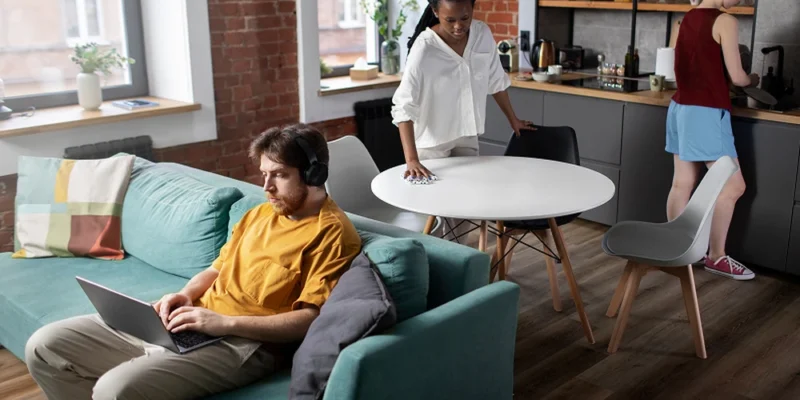
Key Highlights
- Private rooms provide independence and a comfortable place to recharge.
- Shared facilities create opportunities for casual, everyday interaction.
- Residents can socialise without giving up control over their personal routines.
- Thoughtful communal spaces can make independent urban living feel more connected.
Introduction
Living independently offers freedom, but having your own space does not mean you need to spend every day disconnected from others. Modern shared accommodation brings private living and social opportunities together, allowing residents to maintain their routines while becoming part of a wider residential community.
People exploring co-living spaces in Singapore may find arrangements that provide private rooms alongside communal facilities designed for everyday use. Rather than relying solely on conventional shared rentals, residents can also consider what different co-living companies provide in terms of privacy, common areas and opportunities for interaction. The result can be a lifestyle that offers independence without unnecessary isolation.
Enjoy the Freedom of a Private Room
Having a private room gives residents control over an important part of their daily environment. It provides a personal retreat for sleeping, relaxing, working or enjoying quiet time without needing to coordinate constantly with housemates.
Privacy can be especially valuable after a busy day. Residents may enjoy meeting others in communal areas, yet still appreciate knowing they have somewhere comfortable to return to whenever they need time alone.
Many providers structure accommodation around a combination of personal and communal areas. Residents considering different options can therefore look beyond room size and furnishings. The way private areas connect with the rest of the property can influence whether the overall living experience feels independent, comfortable and suited to their preferred routine. Among these, various co-living companies offer layouts designed to balance privacy with shared living.
Connect Naturally Through Everyday Spaces
Social interaction does not always require planned activities. Shared kitchens, lounges and dining areas can create opportunities for residents to meet while going about ordinary tasks, from making breakfast to unwinding after work.
Casual encounters can make a shared residence feel more welcoming. A brief conversation in the kitchen or an evening spent relaxing in a communal lounge may gradually help residents become familiar with the people around them, especially in many co-living spaces in Singapore.
Communal areas can therefore play an important role in creating a connected environment. Residents remain free to decide how much they participate. Socialising becomes an available part of daily life rather than an obligation, giving people greater control over when they interact and when they prefer their own company.
Maintain Your Own Lifestyle and Routine
Sharing certain facilities should not require everyone to follow identical schedules. Residents may work different hours, have different hobbies or simply prefer varying levels of social interaction throughout the week.
Greater flexibility allows each person to establish a routine that works for them. Someone who enjoys quiet mornings can start the day privately, while another resident might prefer chatting over breakfast. Both lifestyles can fit comfortably within the same shared environment.
When comparing co-living companies, prospective residents can consider whether the accommodation supports such independence. Practical factors such as access to shared facilities, room privacy and the layout of communal areas can all influence daily comfort. A suitable environment should make it possible to participate in community life without feeling that personal routines need to be compromised.
Build Connections at Your Own Pace
Moving into a new home can sometimes mean leaving familiar social circles behind. Shared living introduces the possibility of meeting people within the residential environment, which can make settling into a new area feel less isolating.
Relationships do not need to form immediately. Some residents naturally connect quickly, while others take longer to feel comfortable. Having shared areas nearby gives conversations and friendships room to develop gradually.
People can consider the social environment alongside practical features such as location and facilities when exploring different housing options. An effective balance allows residents to decide how involved they want to be. Personal independence remains intact, while opportunities for connection are available whenever residents feel ready to engage with the people around them, especially when looking into co-living spaces in Singapore.
Conclusion
Living independently and feeling connected are not mutually exclusive. Co-living can give residents a private place to call their own while creating opportunities to interact through shared spaces and everyday routines. The freedom to choose when to socialise helps residents shape an experience that suits their individual comfort levels.
Contact Coliwoo to find a home that combines privacy with a welcoming shared environment and suits your lifestyle.


Comments